
How Parents Can Support an Anxious Young Athlete
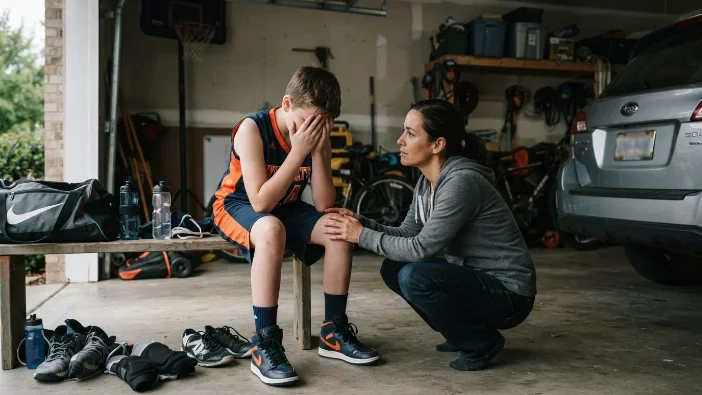
Youth sports should feel like fun. But for many families, game day comes with stomach aches, tears in the car, and a child who suddenly says they don't want to play anymore. If this sounds familiar, you are not alone. A growing number of parents are searching for real answers about anxious athletes and how to help their child enjoy sports again instead of dreading them.
This guide walks you through what anxiety in young athletes actually looks like, why it happens, and what you as a parent can do today to make a real difference. You will find practical tools, simple scripts you can use in the car ride home, and a clear plan for when it might be time to bring in extra support.
What Does It Mean to Be an Anxious Athlete?
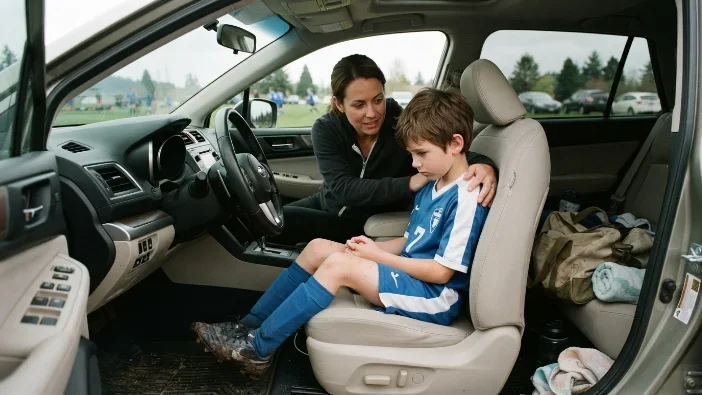
Before we talk about solutions, it helps to have a shared anxious athletes definition. An anxious athlete is a young person who experiences ongoing worry, fear, or physical distress connected to their sport. This is different from the normal butterflies most kids feel before a big game.
Why Are So Many Student Athletes Feeling Anxious?
If it feels like more kids are struggling than in years past, you are not imagining it. Student athletes experiencing anxiety has become a common concern among coaches, school counselors, and parents alike. Several factors are contributing to this pattern.
Increased competition and specialization: Many young athletes feel pressured to play one sport year-round instead of rotating through different sports or activities by season. This can raise the pressure to perform at a high level with fewer breaks to recover mentally and physically.
Social media comparison: Highlight reels on instagram or TikTok, recruiting rankings, and public scorecards mean young athletes are constantly comparing themselves to peers. A single bad game can feel like it is on display for the whole world to see.
Fear of letting others down: Many anxious athletes describe a deep worry about disappointing their parents, coaches, or teammates. This fear can grow larger than the joy of playing the sport itself.
Perfectionism: Some children hold themselves to high standards that are unrealistic and difficult to achieve. Every mistake feels like proof that they are not good enough, even when adults around them see real progress.
Past negative experiences: A tough coach, a public error, or an injury can have a lasting devastating impact on an athlete’s confidence level. The anxious athlete may replay that moment over and over, worrying that it may happen again.
Understanding these root causes helps parents respond with compassion instead of frustration. Anxiety is not a character flaw or a sign of weakness. It is a normal human response that, with the right support, can be managed.
Signs Your Child May Be Struggling With Sports Anxiety
Anxiety does not always show up as tears or obvious panic. Many young athletes hide their worry well, especially as they get older. Here are common signs to watch for:
Frequent stomach aches or headaches before practice or games
Trouble sleeping the night before a competition
Avoiding practice or making excuses to skip games
Sudden drop in performance despite normal skill level
Irritability or mood changes on game days
Overly harsh self-talk after mistakes
Asking repeated questions about what will happen during the game
Physical tension, such as clenched fists or shallow breathing
Reluctance to try new positions, plays, or skills
Crying or shutting down after a loss or a poor performance
If you notice several of these signs showing up regularly, it may be time to have an open conversation with your child and consider additional support, such as working with a mental wellness coach who understands the unique pressures of youth sports.
How Parents Can Support an Anxious Young Athlete: Practical Strategies
Here is where we get into the heart of this guide. These strategies are simple, realistic, and designed to fit into your family's busy schedule.
1. Change the Post-Game Conversation
The car ride home is one of the most talked-about moments in youth sports psychology, and for good reason. Many kids say the ride home is the worst part of playing sports because it feels like a performance review.
Instead of leading with a breakdown of what went wrong, try asking, "Did you have fun?" or simply, "I loved watching you play." Save the detailed feedback for a calmer moment, if it is needed at all. This small shift tells your child that your love and pride are not tied to the scoreboard.
2. Normalize Nerves Without Dismissing Them
It helps to let your child know that nerves are common, even among professional athletes. At the same time, avoid saying things like "just relax" or "there's nothing to worry about." These phrases can make a child feel unheard.
Instead, try validating the feeling first: "It makes sense that you feel nervous before a big game. A lot of athletes do." Then gently move toward a coping tool, which we will cover next.
3. Teach Simple Coping Tools
Young athletes benefit from having a small toolkit of strategies they can use before and during competition.
Box breathing: Breathe in for four counts, hold for four, exhale for four, hold for four. This slows the body's stress response.
Grounding through the senses: Naming five things they can see, four they can hear, and three they can feel can pull attention away from spiraling thoughts.
Pre-game routines: A consistent warm-up routine gives the brain a sense of predictability and control.
Positive self-talk scripts: Replacing "I can't mess this up" with "I've prepared for this, I know what to do" can shift the internal narrative.
Practicing these tools during calm moments at home, not just before games, helps them become second nature.
4. Reframe Mistakes as Part of Learning
Many anxious athletes carry an intense fear of making errors. Parents can help by openly discussing their own mistakes and what they learned from them. Modeling a growth mindset shows children that errors are a normal part of getting better, not evidence that they do not belong on the team.
5. Watch Your Own Sideline Behavior
Children are highly tuned in to their parents' body language and tone, even from across a field. Loud reactions to mistakes, visible frustration and yelling, or constant coaching from the sideline can increase a child's anxiety, even when it comes from a place of support.
Try to keep your energy calm and steady, win or lose. A simple thumbs up or a smile can communicate more safety than any shouted instruction.
6. Keep Perspective on the Bigger Picture
It can help to regularly remind your child, and yourself, why they started playing sports in the first place. Was it for friendships? To learn new skills? Being part of a team? A love of the game? Reconnecting with that original motivation can reduce the pressure that builds around performance and results.
7. Know When to Bring in Extra Support
Sometimes home strategies are not enough on their own, and that is completely normal. If anxiety is affecting your child's sleep, appetite, friendships, or overall happiness, it may be time to reach out for additional help. Working with a professional trained in sports therapy can give your child a safe space to process pressure, build resilience, and develop tools tailored to their specific situation. A trained provider can also help distinguish between everyday nerves and a highly trait anxious athlete profile that may benefit from ongoing support.
Final Summary
Every child deserves to feel safe, supported, and free to enjoy their sport without fear taking over. As a parent, you do not need to have all the answers today. Small, consistent changes in how you talk about games, how you react on the sideline, and how you check in with your child can shift the entire experience over time. And if you ever feel like you need extra guidance, reaching out for support from a professional specializing in sports therapy is a sign of strength, not failure, for both you and your young athlete.