
Life After Sports: Navigating Retirement as a Former Athlete
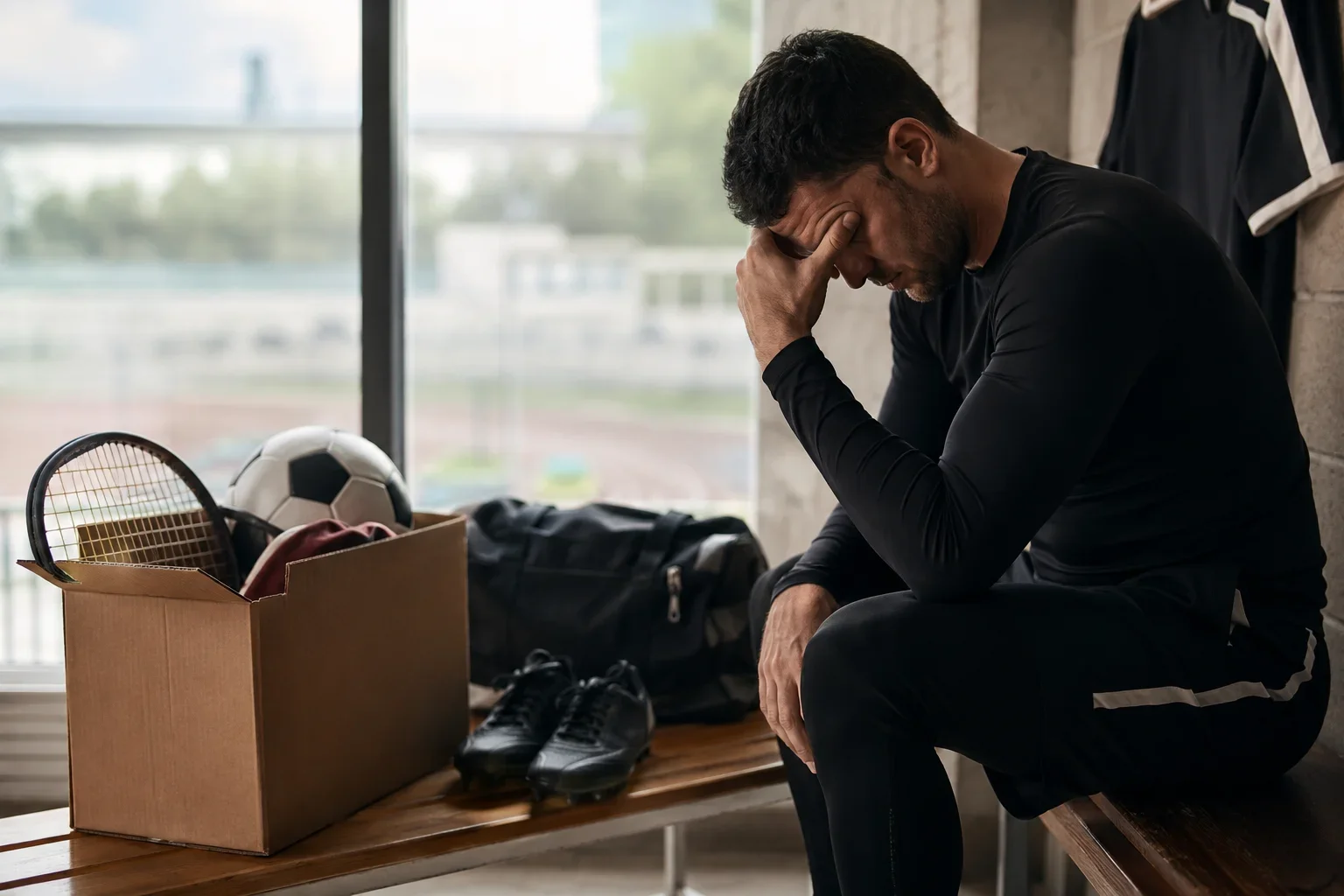
For years, your identity was simple. You were an athlete. Your days had a routine — training, competing, recovering, repeating. Then, one day, that routine stops. The jersey goes into a box. The whistle goes quiet. And you are left standing in a life that no longer has a clear scoreboard.
Retirement from sports is one of the most disorienting transitions a person can face. It is not just a career change. It is the loss of a schedule, a team, a purpose, and, for many, a piece of their identity. Whether you played at the Olympic, professional or college, or competed at a local club, the emotional weight of stepping away from competition is real — and it deserves real attention.
This guide walks through what retirement actually feels like for former athletes, why it is so hard, and how a sports therapist can help you learn how to build a fulfilling life after sport.
Why Retirement Hits Athletes So Hard
Most people plan their retirement around age sixty or later. Athletes often retire in their late twenties or thirties, sometimes even earlier if injury forces the decision. That timing alone creates a strange kind of grief. You are too young to "retire" in the traditional sense, yet your primary career is already over.
There are a few reasons this transition feels so heavy.
Identity loss: From a young age, many athletes identify themselves and self-worth through their achievement in sport. Coaches, teammates, and fans reinforce that identity every single day. When the sport ends, the mirror that reflected your identity back to you disappears, too.
Loss of structure: Athletic life runs on a tight schedule. Wake up, train, eat, recover, compete, sleep. Suddenly having open, unstructured days can feel disorienting and be difficult to navigate without a consistent routine in place.
Loss of community: A locker room is more than a room. It is a built-in support system of people who understand your daily pressures and are going through it with you.. Leaving that behind can feel isolating, even if you still have friends and family around you.
Physical changes: Bodies that were once strong, finely tuned machines have to adjust to a different kind of movement, and body image issues can arise. Athletes also are faced with addressing the lasting effects of old injuries.
Uncertainty about the future: Many athletes spent so much time perfecting their craft that they never built a second career plan. That uncertainty can trigger anxiety and fear of the unknown, especially when former teammates seem to be figuring life out faster.
None of this means something is wrong with you. It means you are human, and you are going through a major life change without a manual.
The Emotional Stages of Athletic Retirement
Sports therapists often compare the emotional process of retirement to grief. That comparison is not dramatic — it is accurate. You are mourning a version of yourself and a way of life that mattered deeply to you.
Shock and denial: In the early weeks, many athletes have difficulty coping with the fact that their competitive careers are over. They try to stay busy and avoid thinking about this major life transition. This is a natural response, but it should not become a permanent coping strategy.
Anger or frustration: Some retired athletes feel anger or resentment — toward injuries, toward the sport, towards the league they once played in, toward teammates who are still playing, or even toward themselves for not making different choices earlier.
Sadness and withdrawal: This stage can look like low motivation, disrupted sleep, or pulling away from old teammates and friends. If this stage lasts for weeks without any lift, it is worth talking to a professional.
Searching for meaning: Slowly, many athletes start asking bigger questions. Who am I outside of my sport? What do I actually enjoy? What are some other interests or hobbies I could explore? What kind of life do I want to build?
Acceptance and rebuilding: This is where a new identity starts to form — one that still honors the athlete you were, but is not limited by it.
These stages are not linear. You might feel acceptance one week and sadness the next. That back-and-forth is normal and does not mean you are failing at retirement.
Building a New Identity Beyond the Sport
One of the most important tasks in this transition is separating your self-worth from your athletic performance. This does not mean forgetting your sport or the many positive qualities it gave you. It means widening the definition of who you are.
Start by making a simple list of the qualities your sport built in you — discipline, resilience, teamwork, the ability to perform under pressure. These traits do not disappear when the competition stops. They become tools you can apply to a new career path, a new relationship, or a new passion.
Many former athletes find it helpful to explore interests they never had time for during their competitive years. Some go back to school. Some start businesses. Some move into coaching, broadcasting, or sports administration. Others choose paths that have nothing to do with athletics at all, such as art or music, and that is perfectly valid, too.
It also helps to reconnect with parts of yourself that existed before your sport ever did. Think back to childhood interests, hobbies, or subjects you were curious about before sports took over your schedule. Those seeds are often still there, waiting to be nurtured and developed.
The Mental Health Side of Retirement
It is common for retired athletes to experience anxiety, depression, or a loss of motivation after stepping away from competition. Studies on athletic transition consistently point to elevated rates of mental health struggles during the first one to two years after retirement, particularly for athletes whose careers ended abruptly due to injury or being cut from a team.
This is where working with a professional who understands sports culture can make a real difference. General mental health support is valuable, but working with someone who specializes in sports therapy can help you process the specific grief, identity shifts, and life stressors that come with leaving competitive sport behind. A therapist familiar with athletic culture will understand why "just relax and enjoy retirement" is not helpful advice — because for many former athletes, rest without structure feels foreign and disorienting.
Signs that professional support could help include:
Persistent low mood or loss of interest in daily life
Difficulty sleeping or changes in appetite
Withdrawing from friends, family, or former teammates
Increased irritability or anger
Using alcohol or other substances to cope
Feeling like you have lost your sense of purpose
Reaching out for support is not a weakness, it’s a sign of strength and courage.. Athletes are trained to push through pain, but ignoring it does not build resilience — it just causes the athlete to suffer in silence, so recovery takes longer.
Physical Health After Competitive Sport
Retirement changes your relationship with your body. For years, training was mandatory. Recovery was scheduled. Nutrition was often dictated by a coach or team staff. Once that structure disappears, many former athletes struggle to find a sustainable rhythm.
Here are a few suggestions to help during this phase.
Redefine movement, not eliminate it: You do not need to train like a professional anymore, but staying active supports both physical and mental health. Find movement you actually enjoy — this might look completely different from your old training regimen, and that is fine.
Address old injuries properly: Many athletes carry old injuries into retirement without ever getting them fully evaluated, because during their playing years the priority was staying on the field, not long-term healing. Retirement is a good time to get a full physical assessment and take care of your body.
Be mindful of your relationship with food: Nutrition needs change once daily training volume drops. Some athletes struggle with body image or disordered eating patterns when their metabolism and body composition shift after retirement. This is another area where professional guidance, from a dietician or therapist, can be helpful and supportive..
Prioritize sleep: Without early morning practices or game-day adrenaline, sleep patterns often shift. Building a new, consistent sleep routine supports both mood and physical recovery.
Finding Purpose and Direction
Purpose does not usually appear all at once. It tends to build slowly, through small experiments and honest self-reflection. Retirement from sport is a major life transition, not a minor inconvenience, and it deserves to be treated that way. The identity shift, loss of structure, and emotional weight are real, and they affect nearly every former athlete to some degree. Support from a sports therapist who specializes in athlete mental health and wellness can make an enormous difference in how smoothly this chapter unfolds. Purpose after sport does not have to look like your old career. It can be something entirely new, built from the same discipline and resilience that made you an athlete in the first place.
Life after sports is not the end of your story. It is a new chapter, written with the same strength that carried you through every training session, every setback, and every competition that came before it.
Reach out to Christine A. Mosher, LICSW for support in your journey through life after sport!