
Coping With Injury: The Emotional Side of Sitting Out
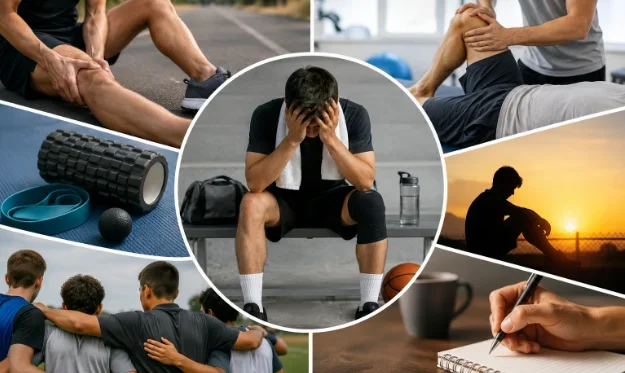
Getting hurt is one of the hardest things an athlete can go through. One minute you are running, jumping, or competing. The next minute, you are on the sidelines, watching everyone else play. Your body may heal in a few weeks or months. But what about your mind?
Many people focus only on the physical part of an injury. They talk about ice packs, physical therapy, and rest. But there is another side of injury that people do not talk about enough — the emotional side. Sadness, frustration, fear, and even anger are all normal feelings after an injury. If you are dealing with these feelings right now, you are not alone.
This article will help you understand why injuries hurt more than just your body. We will look at the emotional challenges athletes face, how to build mental strength during recovery, and how to return to your sport with confidence. Whether you are an athlete, a parent, a coach, or someone who works with injured athletes, this guide will give you real, useful tools to cope with the emotional side of sitting out.
Why Injuries Affect More Than the Body
When we think about sports injuries, we usually think about torn muscles, broken bones, or sprained joints. But an injury does not just affect your body. It also affects your mind, your emotions, and even your sense of who you are.
Sports are not just something athletes do. For many people, sports are a big part of their identity. Being an athlete can shape how you see yourself, how others see you, and how you spend your time. When an injury takes that away, even for a short time, it can feel like you are losing a part of yourself.
Research in sports psychology shows that athletes often go through emotional stages after an injury that look similar to grief. These stages can include denial, anger, sadness, and eventually acceptance. Just like grieving a loss, athletes need time and support to work through these feelings.
There are also physical reasons why injuries affect mood. Exercise releases chemicals in the brain called endorphins, which help people feel happy and calm. When an athlete cannot exercise because of an injury, they may lose this natural mood boost. This can make feelings of sadness or anxiety even stronger.
Understanding that emotional pain after an injury is normal is the first step toward healing. It is not a weakness. It is a natural human response to a real loss.
Common Emotional Challenges After an Injury
Every athlete is different, but many people experience similar emotional struggles after getting hurt. Let's look at some of the most common ones.
Loss of Athletic Identity
For many athletes, their sport is part of who they are. They may say things like "I am a soccer player" or "I am a runner," not just "I play soccer" or "I like running." This is called athletic identity.
When an injury happens, athletes may suddenly feel like they do not know who they are anymore. If you cannot play your sport, are you still an athlete? This question can feel scary and confusing.
This loss of identity can be especially hard for young athletes and student-athletes who have played their sport since childhood. Their whole schedule, friend group, and self-image may be built around their sport. When that is taken away, even temporarily, it can lead to feelings of emptiness or confusion.
Anxiety About Returning to Sports
Once the body starts to heal, many athletes expect to feel excited about getting back in the game. But often, the opposite happens. Athletes may feel nervous, scared, or unsure about returning to their sport.
This is sometimes called "fear of re-injury." Athletes may worry that they will get hurt again, especially in the same spot. This fear can affect how they move, how confident they feel, and even how well they perform when they do return.
This anxiety is very real and very common, even among professional athletes. It does not mean something is wrong with you. It means your mind is trying to protect you from getting hurt again.
Dealing with Frustration and Isolation
Injury recovery can be slow. Progress may happen in small steps, and setbacks can happen along the way. This slow pace can be extremely frustrating, especially for athletes who are used to pushing hard and seeing quick results.
On top of frustration, many injured athletes feel isolated. They may not be able to practice with their team, travel to games, or take part in team activities. Over time, this can lead to feelings of loneliness, even if teammates and coaches try to include them.
Isolation can also happen because injured athletes sometimes avoid social situations. They may feel embarrassed, left out, or unsure of how to talk about their injury with others.
Managing Stress During Recovery
Injury recovery brings a lot of stress. There may be stress about missing games, falling behind teammates, disappointing coaches, or losing a scholarship or spot on a team. Managing this stress is an important part of healing.
Here are a few simple ways to manage stress during recovery:
| Stress Management Tip | How It Helps |
|---|---|
| Deep breathing exercises | Calms the nervous system and reduces anxiety |
| Journaling thoughts and feelings | Helps process emotions instead of bottling them up |
| Talking to a trusted person | Reduces feelings of isolation |
| Sticking to a daily routine | Creates a sense of control and normalcy |
| Limiting negative self-talk | Protects mental health and motivation |
It also helps to remember that stress is a normal reaction to a difficult situation. You do not need to "fix" your stress right away. Instead, focus on small steps that help you feel a little calmer each day.
Building Mental Resilience
Mental resilience is the ability to bounce back from hard situations. It does not mean you never feel sad, scared, or frustrated. It means you find ways to keep moving forward, even when things are difficult.
Building resilience during injury recovery takes practice. Here are some ways athletes can build mental strength:
Accept your feelings. Instead of pushing away sadness or frustration, allow yourself to feel it. Emotions are easier to manage when we accept them instead of fighting them.
Focus on what you can control. You cannot control how fast your body heals, but you can control your attitude, effort in physical therapy, and how you treat yourself and others.
Practice self-compassion. Talk to yourself the way you would talk to a teammate who is hurt. Be kind, not harsh.
Celebrate small wins. Recovery happens in small steps. Celebrate each one, whether it is walking without pain or completing a physical therapy session.
Mental resilience is like a muscle. The more you practice it, the stronger it becomes.
The Role of Family, Coaches, and Teammates
No athlete should have to go through injury recovery alone. Family members, coaches, and teammates all play an important role in emotional healing.
Family members can offer comfort, patience, and encouragement. Simply listening without judgment can make a huge difference. Instead of only asking about physical progress, family members can also ask how the athlete is feeling emotionally.
Coaches play a big role too. When coaches include injured athletes in team meetings, practices, and events, it helps the athlete feel like they are still part of the team. Coaches can also check in regularly, not just about the injury, but about how the athlete is doing overall.
Teammates can help by staying in touch, inviting the injured athlete to hang out, and avoiding comments that make them feel forgotten or less important. A simple text message or visit can mean more than people realize.
Below is a quick summary of how each group can help:
| Support Person | Helpful Actions |
|---|---|
| Family | Listen without judgment, offer encouragement, avoid pressure |
| Coaches | Include athlete in team activities, check in emotionally |
| Teammates | Stay in touch, invite to team events, offer encouragement |
| Sports Psychologist / Therapist | Provide professional emotional support and coping tools |
How Sports Psychology Helps Recovery
Sports psychology is a field that focuses on the mental side of sports performance and recovery. Working with a sports psychologist, sports social worker or licensed therapist who understands athletes can be extremely helpful during injury recovery.
A sports psychologist can help athletes:
Understand and manage difficult emotions
Build confidence before returning to play
Set realistic recovery goals
Reduce fear of re-injury
Develop coping strategies for stress and anxiety
Many professional and college athletes work with sports psychologists as a normal part of their training, not just during injuries. Seeking this kind of support is not a sign of weakness. It is a smart, proactive step toward full recovery, both physically and mentally.
Athletic consulting services can also help athletes and teams build strong mental skills for both performance and recovery. Learn more about athletic consulting services that go beyond just physical rehabilitation.